A professional profile has two jobs. It should make you visible, but it should also make you understandable. Those goals are not identical. Visibility can produce more messages; clarity is what improves the chance that those messages come from people who have actually read, understood and respected the way you work.
That distinction matters because the most successful profile is rarely the one that tries to be universally attractive. A stronger profile filters. It communicates a point of view, practical expectations and enough personality for a prospective client to decide whether an introduction makes sense.
Your profile is a filter, not an advertisement
Generic profiles often use the same vocabulary: luxury, unforgettable, sophisticated, exclusive. None of those words are wrong, but on their own they tell a reader almost nothing. What creates confidence is specificity: how you prefer to spend time, what kind of atmosphere you enjoy, whether you travel, how you communicate and what a considerate first approach looks like to you.
Specificity does not mean publishing private information. It means replacing empty claims with useful context. The result is usually a smaller but more relevant audience — which is often exactly what an independent professional wants.
The purpose of a strong profile is not to convince everyone. It is to help the right people recognise a fit.
Photography should feel coherent, current and genuinely yours
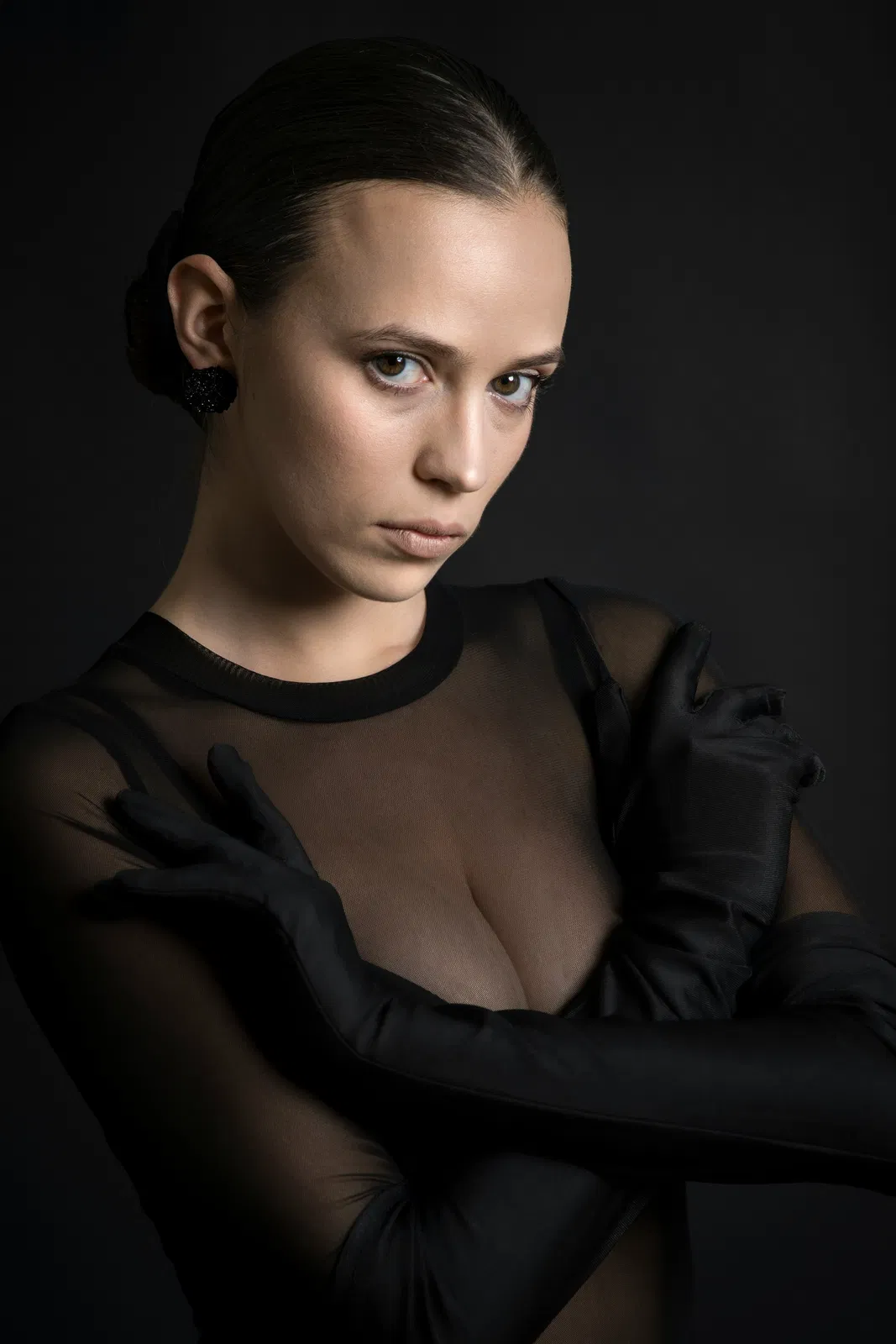
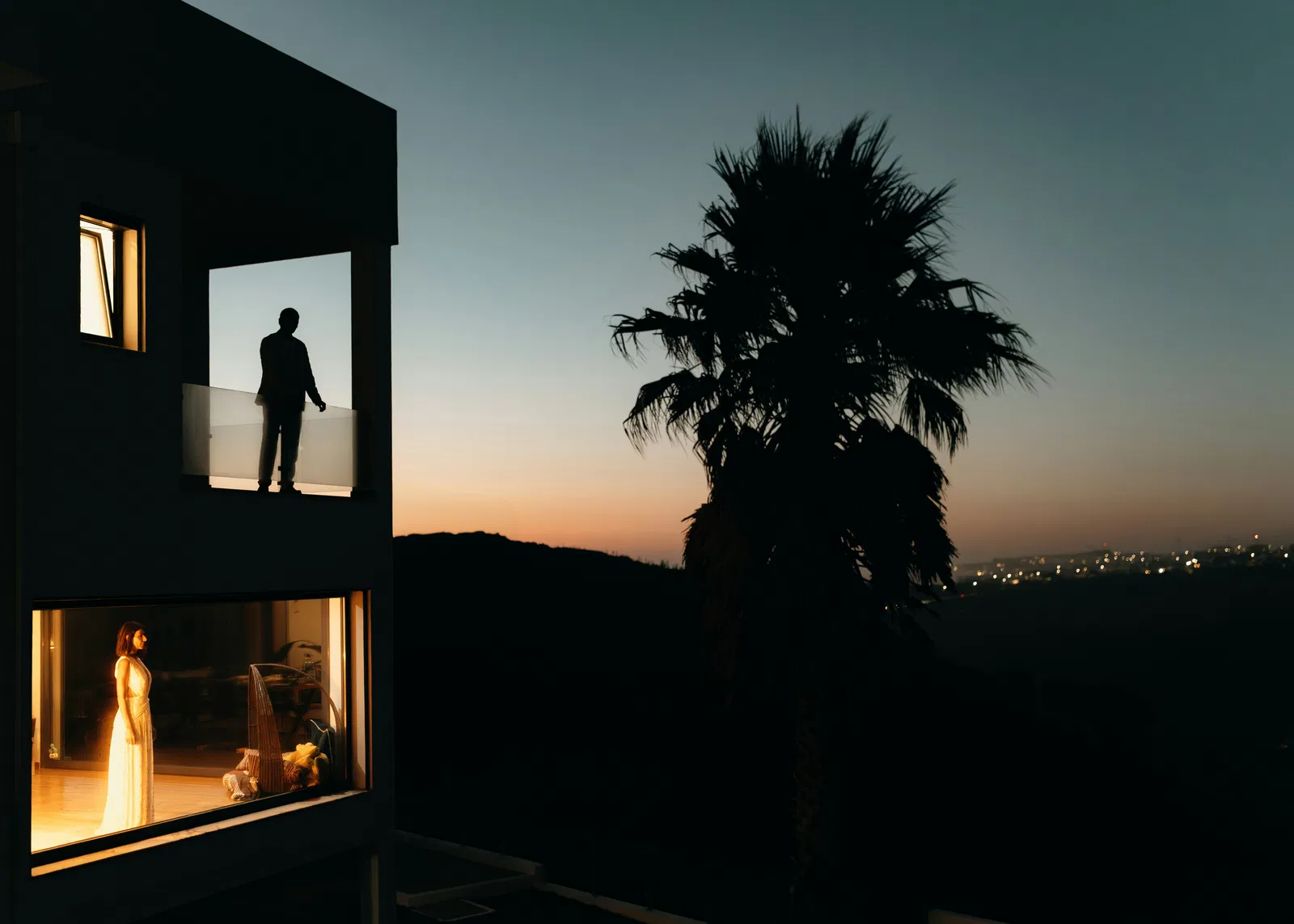
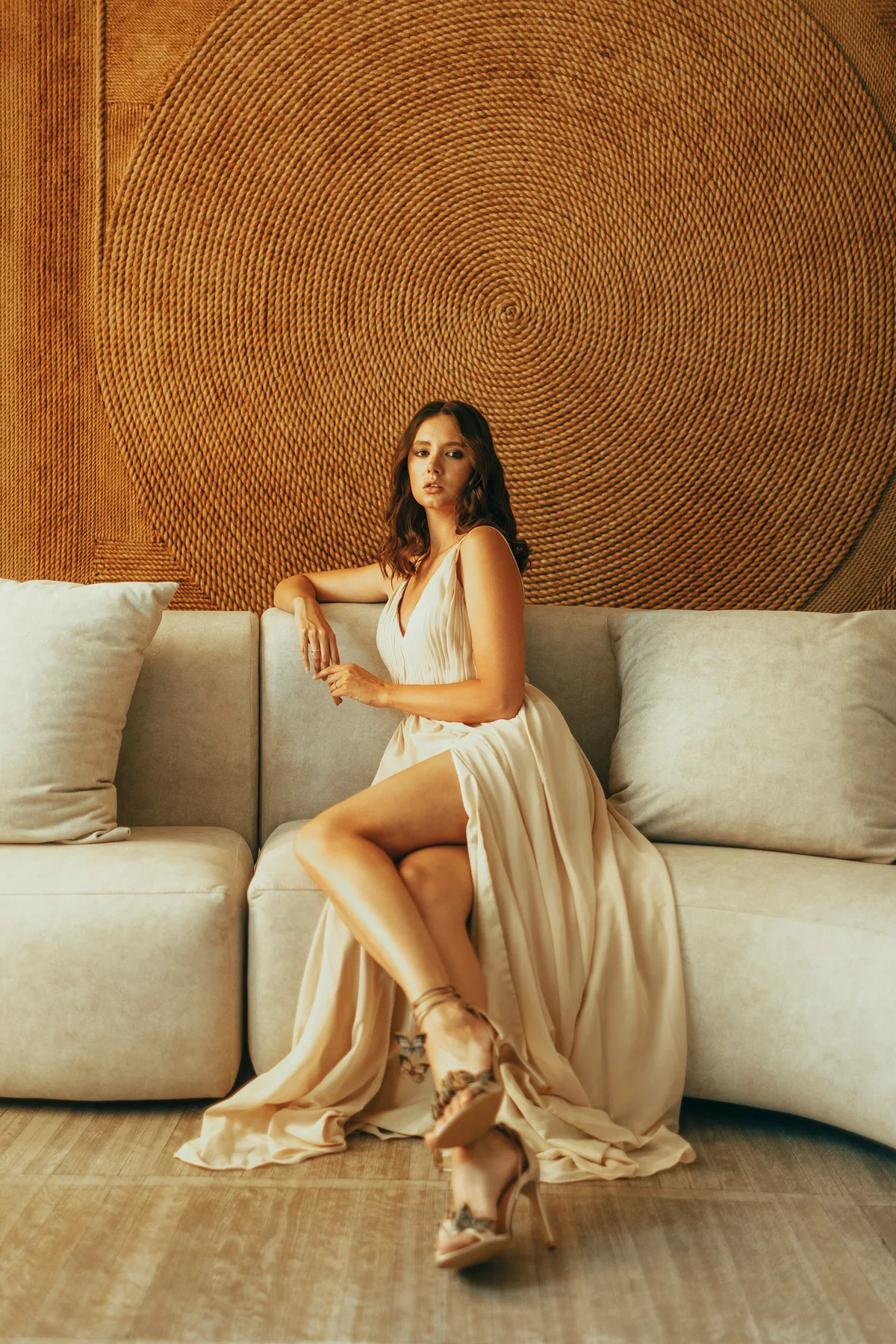
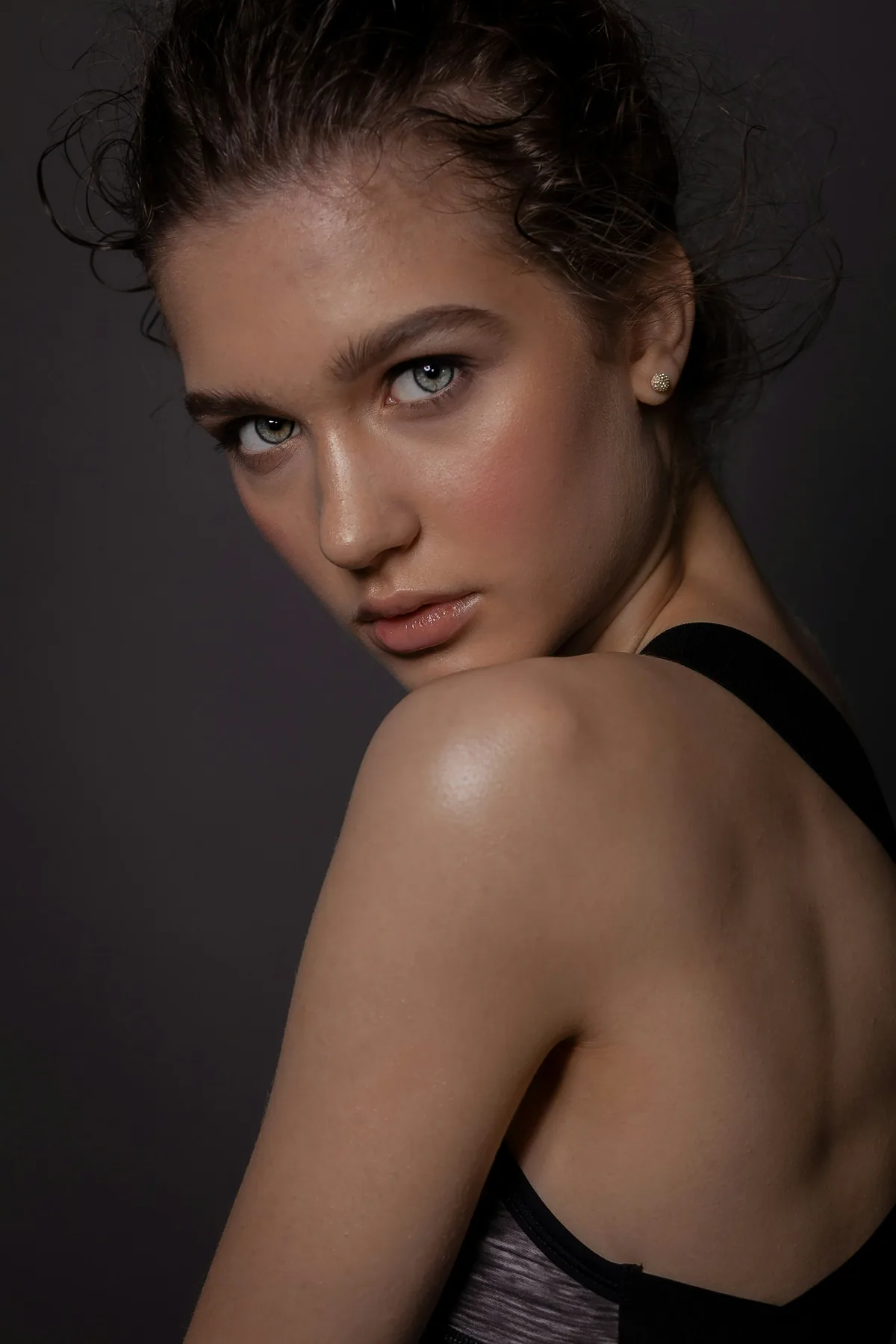
Photography creates the first impression, but quantity is not the same as quality. A considered set normally needs variety: a clear portrait, a full-length image, an image that communicates style or atmosphere, and enough consistency that the profile feels like one person rather than a collection of unrelated shoots.